reckoner00
Membro participativo
Mais fotos:


Acompanhe o vídeo abaixo para ver como instalar o nosso website como uma aplicação web no seu ecrã inicial.
Nota: Esta funcionalidade pode não estar disponível em alguns navegadores.
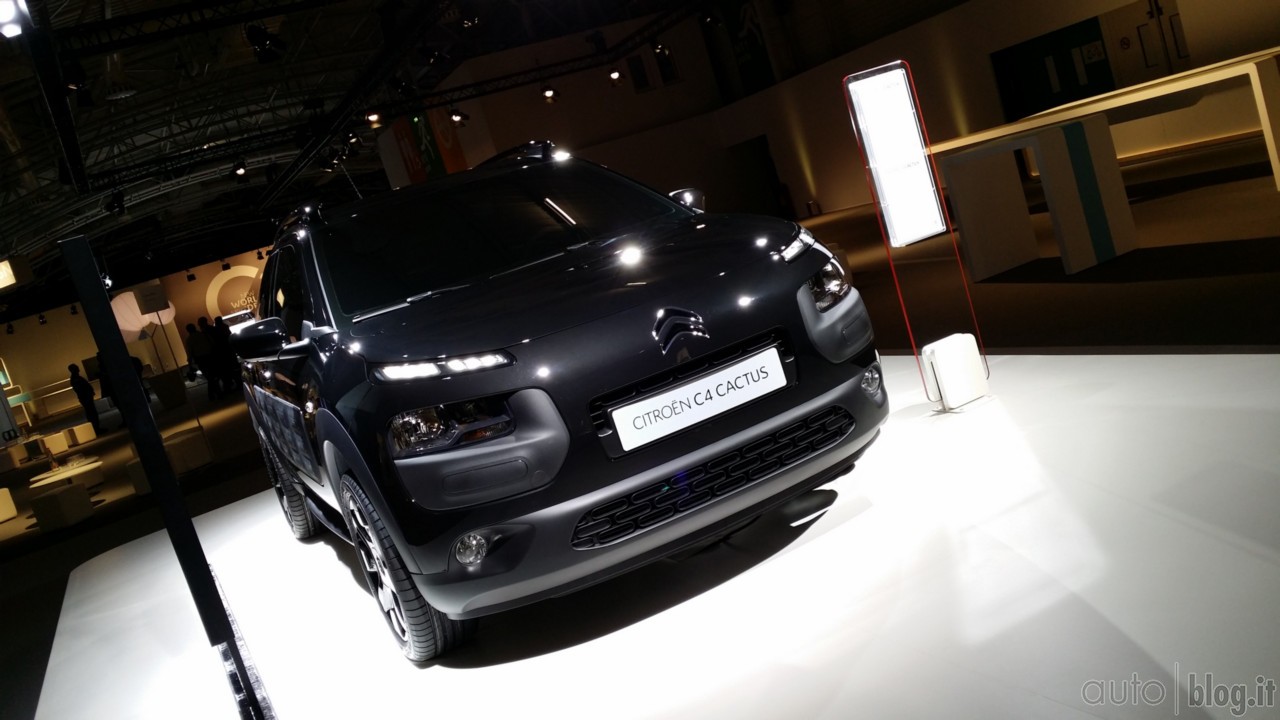
Aside from its highly unusual looks, the Cactus - which arrives in the UK in October - aims to revolutionise ease of ownership and be markedly cheaper to run than its mainstream rivals.However, Citroën's biggest engineering achievement with the Cactus is in weight reduction. In base form the car weighs in at just 980kg – around 60kg lighter than a base model Ford Fiesta.
The Cactus’s downsized engines are also part of the weight-saving programme, the 980kg applying to the base 81bhp VTi 1.0, three-cylinder, turbo petrol motor. Other engines include an e-THP 108bhp, a 91bhp eHDI and a 99 bhp BlueHDI, which scores 82g/km of CO2.
None are high-output, but the Cactus’s power-to-weight ratio will yield decent performance from all versions say company sources. As well as a manual the car is also available with PSA’s automated manual transmission, which now claimed to be much smoother shifting.
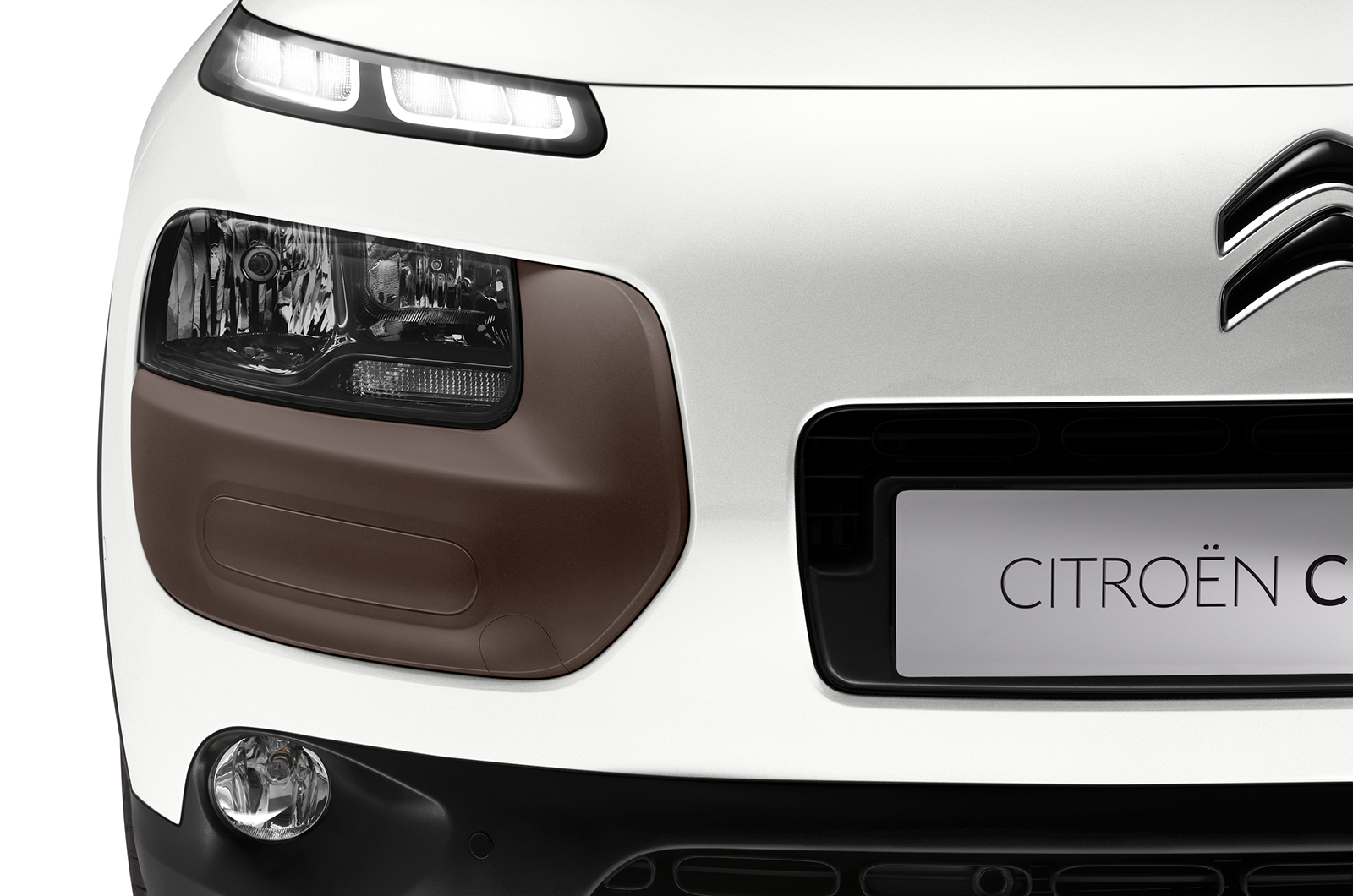
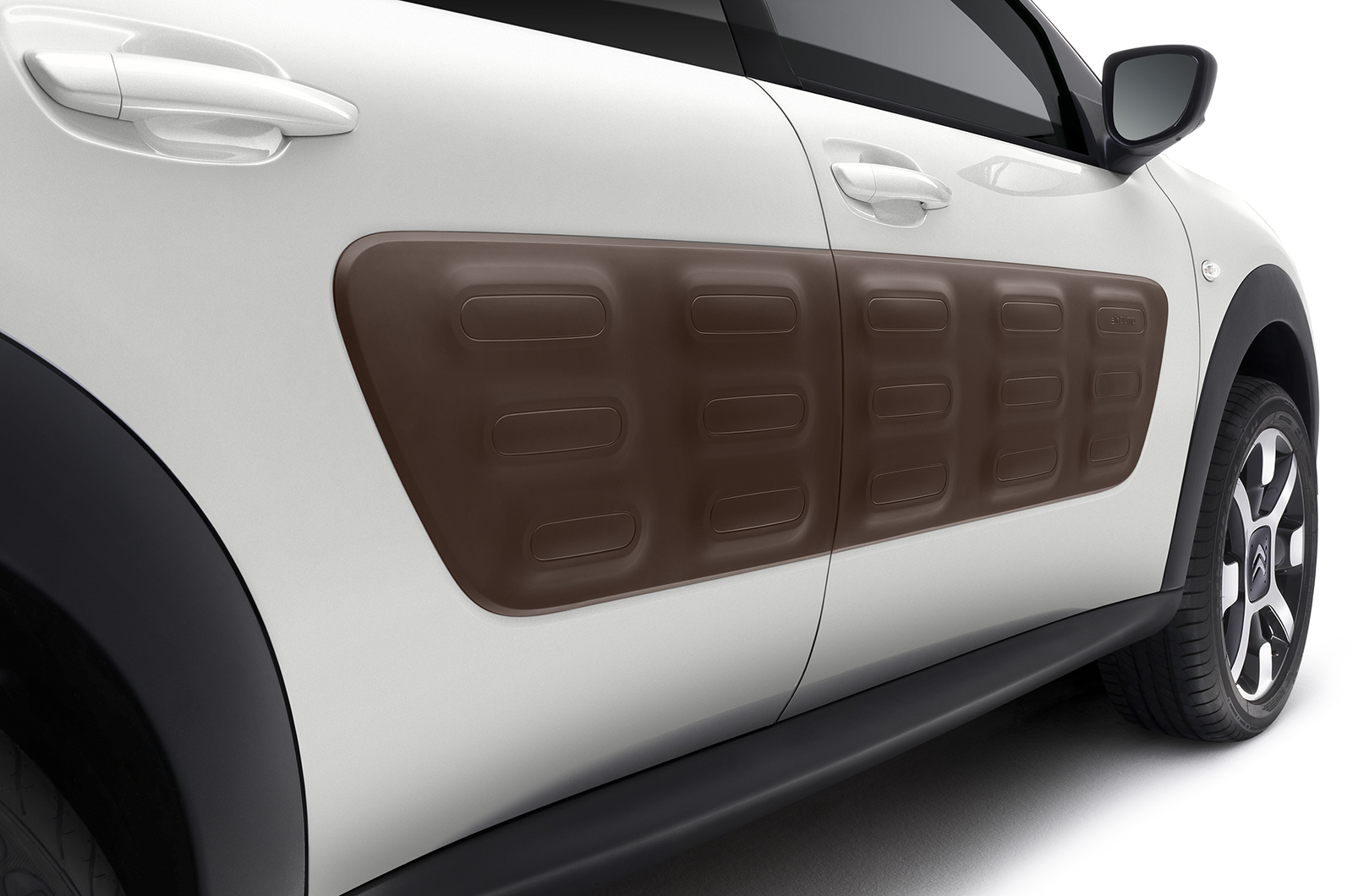
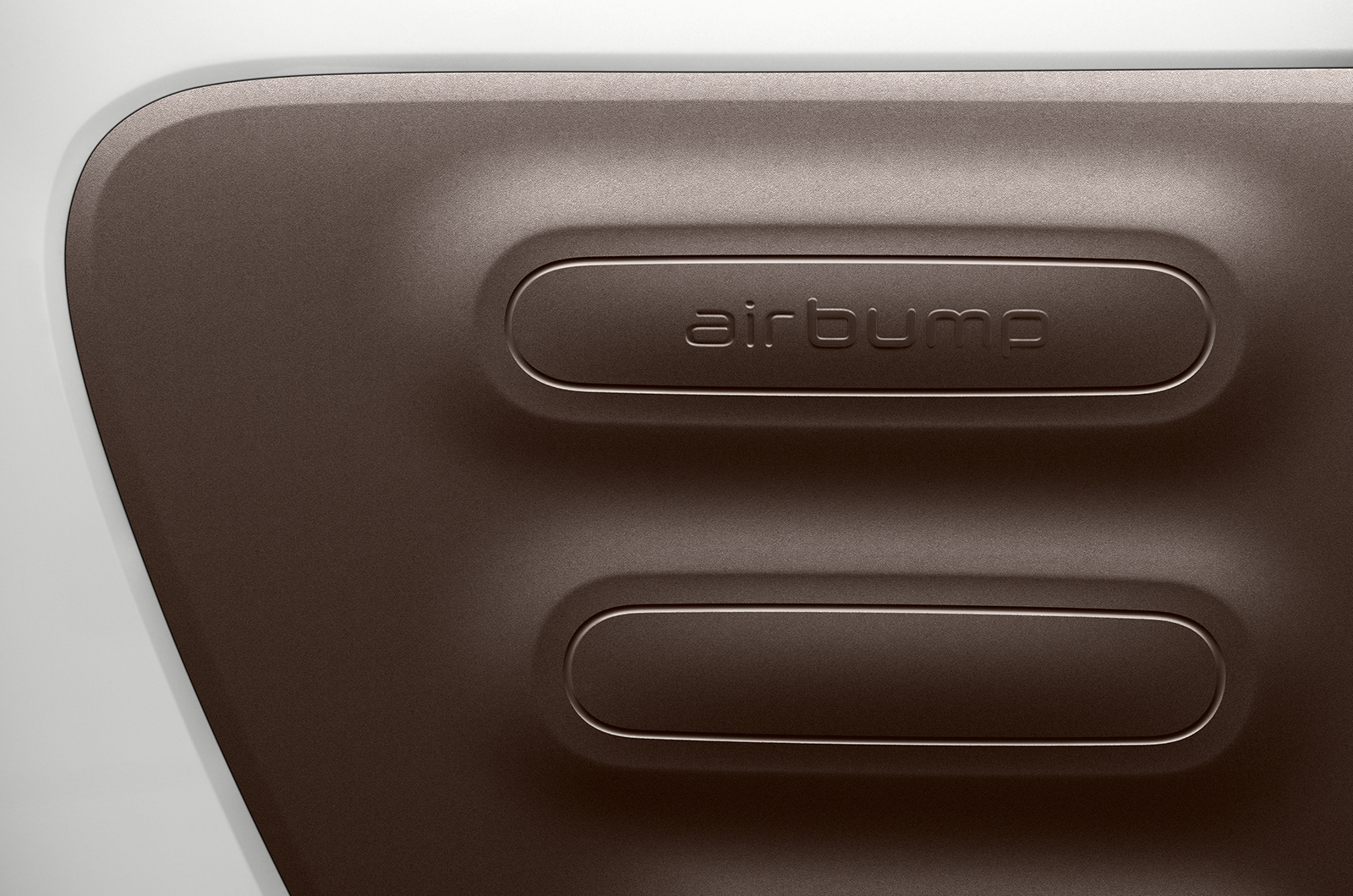
The exterior design is intended to combine fashionable crossover looks with more avantgarde product design influences; protection from urban scrapes comes thanks to the bold ‘air-bump’ door protectors.
Inside, the interior is just as radical. Unlike the original C-Cactus concept, the C4 has a dashboard – but it’s been pared back and simplified to elegantly functional effect. There are only 12 buttons on the dashboard. There’s no rev counter, no centre console, no gearlever if it’s an automatic, no asymmetric splitting of the rear seats and no wind-up windows for the rear doors.
One example of Citroën's lateral thinking is the way the facia’s bulk has been reduced by housing the passenger airbag in the ceiling. This, in turn, allows the facia to sit lower and releases space for a sizeable storage box in the dash top.
Citroën says it has also trimmed overall running costs, which are said to be 15per cent less than those of competing C-segment models. The Cactus is likely to be offered with a mobile phone-style contract, with the user paying a monthly rental plus servicing and insurance to allow accurate budgeting.The Cactus is based on PSA’s Platform 1, which is also used by the Citroën C3 and Peugeot 208, rather than the older platform used under today’s C4 and DS4 models. Even though the Cactus is smaller than most of its rivals (it’s about 10cm shorter than a Golf, and only fractionally larger than Fiat’s 500L) it weighs 215kg less than the Ford Focus EcoBoost triple, 150kg less than the three-cylinder, 1.2-litre, VW Golf.
The use of high-strength steels and an aluminium bonnet and crash beams help reduce weight. Further weight-shaving measures include a one-piece rear seat, which saves 6kg. Weight-paring has also banished the blind from the optional panoramic roof, instead its surface is coated with heat-resistant materials, and dropping electric motors for the hinged rear side windows saved 11kg.
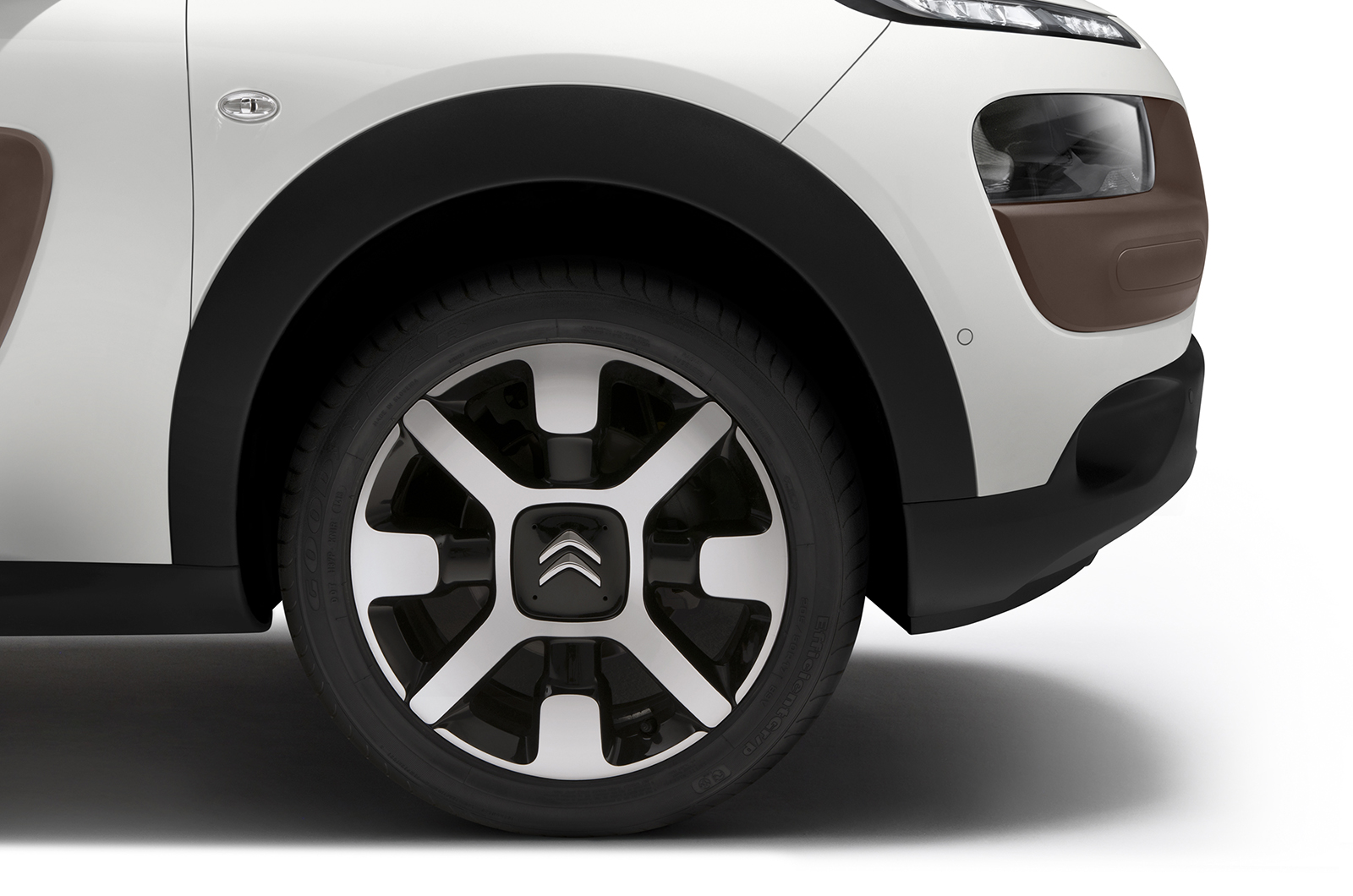
However, perhaps the biggest contribution to that spectacularly low 980kg base weight is the unique configuration of Cactus’s platform. It has been engineered for a vehicle series that will have a top speed of 118mph. This matters because the platform, suspension and braking systems – and even the cooling systems – can be ‘rightsized’.
When there is no need to engineer the car for larger wheels (which, in turn, demand stronger suspension components, larger wheel wells and stronger mounting points), bigger brakes and more powerful engines (which demand a more powerful cooling system) the car’s architecture can be simpler and, therefore, lighter.
This bold-looking car sprang from the 2007 C-Cactus concept, which was partly about seeing how much hardware can be removed from a modern car - including the dashboard. "We learnt a lot from the original," says Brit chief designer Mark Lloyd. "We learnt that customers are interested in a simple approach, but won’t accept radical reductions in comfort. So we did a lot of work on what counts and what doesn’t."
"It all started because we were frustrated at the way things are," says Lloyd, "and had the feeling that we need to do things differently. Not for the sake of it but by creating a newness that’s refreshing, that makes life easier." Hence the quest for simplicity, for low weight and for a style that "looks lighter," he says.
"The Cactus has simpler surfaces compared to today’s busy sculpture. We’ve got super pure surfaces, graphic contrasts and air bumps, and we’ll carry on with this."
By which he means that this same theme will be applied to the next generation of mainstream models that Citroën labels C-line. Despite the success of the classier DS model range they account for just under a fifth of total Citroën sales, the C-line remaining the bedrock of the brand, and the Cactus a major part of it.
Anne Ruthmann, the Cactus’s project manager, describes the car as "very trendy, pure and non-aggressive, with very strong graphic elements that are functional". Most prominent of these are those air bumps, which are made from a flexible anti-scratch material embedded with air bubbles to heighten its absorbency.
The Citroën’s plastic armour comes in black, beige, brown and light grey tints to effect a contrast or a blending with its 10 exterior colours. There are "three interior universes," says Ruthmann, "of brown, purple and grey," and plenty of scope for personalisation. The Cactus’s front seats are wide and sofa-like. Lloyd and team wanted them to "look comfortable". Although they resemble a bench the front seats are separate.
But it's the architecture of the interior that’s really radical. Most of the subsidiary systems are controlled via the touchscreen in its centre; the instruments are reduced to a digital speedo, a fuel gauge and some warning lights.
The "driving interface is 100 per cent digital," says Ruthmann, the touchscreen handling the radio, navigation, climate, phone, vehicle settings and the handbook. It also provides connected services for weather, garages, the phone directory, the cheapest fuel and, when you’re stationary, Facebook and email.
Citroën’s brand strategy chief Julien Montarnal says the Cactus is the most radical embodiment of the values that will characterise other future C-line models. "Design and creativity are an absolute hallmark. C-line is pure, optimistic. It has technology, but it’s useful, intuitive and facilitates daily life. It’s about technological intelligence."
Montarnal also talks about well-being, which "stems from space, light, practicality and ease of use." And the C-line is also about "reasonable budgets – not the cheapest, but the best value for money." And that means a competitive price, and competitive costs of ownership. The C4 Picasso "meets these criteria," he says, "and is a precursor to this repositioning."
"For the Cactus, we asked what really counts for customers? The world is changing – economic and ecological pressures are the backdrop. The method by which we make phone calls, or make coffee, have changed, for example. But there aren’t any car makers who have adapted to this new world. We had to do it because we’re Citroën."
Montarnal says that some of the Cactus’s character "will extend into the C-line, but this is the most radical. Cactus is for European customers – it’s the most extreme. For design, comfort, intuitive technology and a reasonable price, the Cactus is the answer. It’s an emblem of our new positioning."


 ]