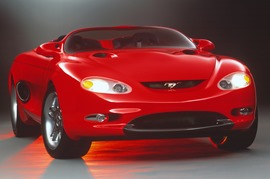
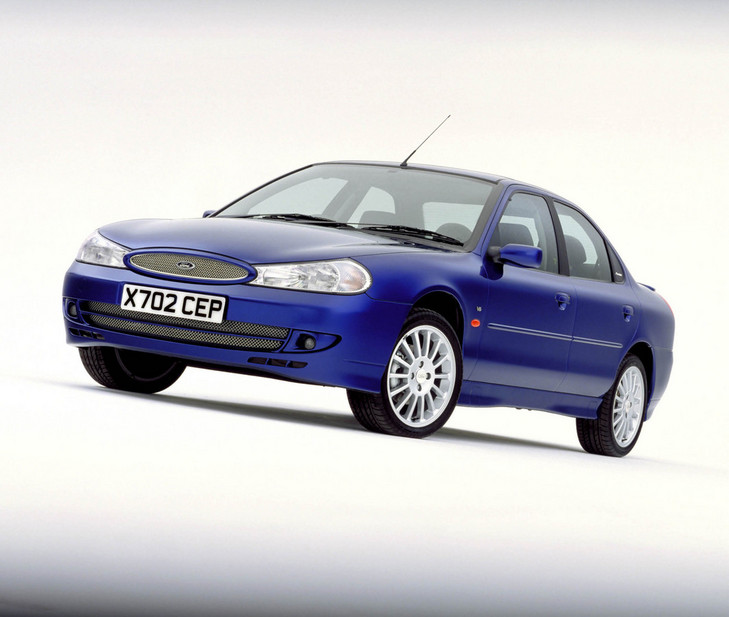
Tópico Ford...

Ford Mustang Concepts que nunca chegaram a ser produzidos

As part of the celebrations leading up to the 50th anniversary of the Mustang on April 17, 2014, and the launch of the all-new 2015 Mustang, Ford has released photos of some of the pony car studies that never made it to production.Over the past five decades, Ford designers and engineers have come up with many proposals for Mustangs that, for one reason or another, never had the chance to be produced. However, some of the prototypes survive and now Ford is showcasing them to make us wonder what might have been had they made it to series production. So, without further ado, let’s start the presentations.
By Dan Mihalascu
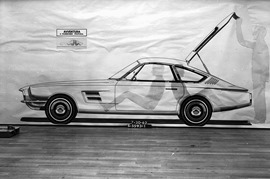
1961 Avventura, Avanti, Allegro
1961-Avventura-Avanti-Allegro_thumb%25255B6%25255D.jpg

From late 1961 to mid-1962, Ford designers experimented with a wide range of themes for a sporty coupe based on the platform of the new Falcon compact. Each design was given an internal name, but one fastback design actually had at least three names, starting with Avventura before moving on to Avanti and finally Allegro. As the sketch shows, the fastback design was originally intended to be a hatchback with rear-facing second row seat. Although it was never produced, a variation of the fastback profile was eventually adopted as the third body-style for Mustang.

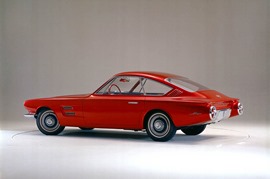
Avanti/Allegro Concept
Avanti-Allegro-Concept_thumb%25255B5%25255D.jpg

The transition from sketch to physical design model saw the Avventura losing the hatch, which was replaced with a trunk, while the rear seat was now forward-facing. The study was originally known as Avanti, but the name was changed to Allegro because Studebaker had introduced the Avanti coupe around the same time.

1961-1962 Two-Seater Studies
1961-1962-Two-Seater-Studies_thumb%25255B8%25255D.jpg

Ford designers considered a number of two-seater studies, which were seen as a more affordable return to the roots of Thunderbird, which by this time had become a four-seater. Interestingly, there has never been a strictly two-seat production Mustang, with the exception of some track-oriented models that had the rear seats removed to save weight.

1962 Allegro Design Study
1962-Allegro-Design-Study_thumb%25255B7%25255D.jpg

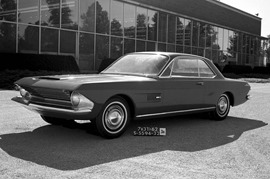
Another Allegro design surfaced in 1962 as the work of a design team led by Gene Bordinat. This particular study is responsible for the basic proportions that would define most Mustangs for the next five decades: the long hood, short deck and compact greenhouse became a hallmark of production Mustangs ever since.

1963 Two-Seat, Mid-Engine Mustang Concept
1963-Two-Seat-Mid-Engined-Study_thumb%25255B3%25255D.jpg

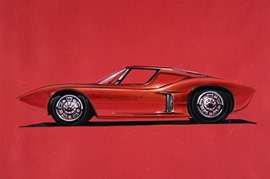
This hard-top variation of the Mustang 1 concept from 1962 was probably never seriously considered for production as a Mustang, but it did provide some inspiration for the GT40 Mk1 that began racing at Le Mans in 1964.

1964 Two Seater Study
1964-Two-Seater-Study_thumb%25255B5%25255D.jpg

This is a clay model from 1964 representing a two-seat Mustang. The model incorporates some of the design cues of the first generation Mustang, more specifically the 1965 model year, including the side scoops.

1965 Four-Door Mustang
1965-Four-Door-Mustang_thumb%25255B6%25255D.jpg

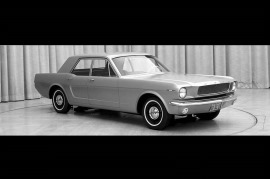
The success of the first-generation Mustang made Ford execs think about new body-styles to gain even more customers. As the Mustang was based on the Falcon sedan, the idea to add two doors to the pony car was inevitable. Fortunately, the design didn’t get approved and the Mustang legend was not diluted.

1966 Mustang Station Wagon
1966-Mustang-Station-Wagon_thumb%25255B7%25255D.jpg

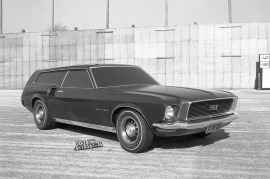
​Another bodystyle that was seriously considered in the mid-1960s was a station wagon. At least one running prototype based on a 1966 coupe was built, while another design study included elements for refreshed models that were coming later that decade. All of the known Mustang wagons were three-doors that were closer to a European “shooting brake” than a traditional American family station wagon.

picvidwhite.png
 
1967 Allegro II Concept
1967-Allegro-II-Concept_thumb%25255B5%25255D.jpg

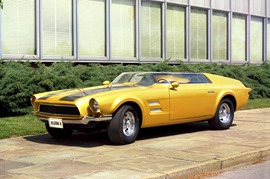
In 1967, Ford designers took one of the concepts from 1962 and transformed it by removing the greenhouse and replacing it with a low-cut speedster-style windshield, rollbar, flying buttresses on the rear deck and a new rear end.

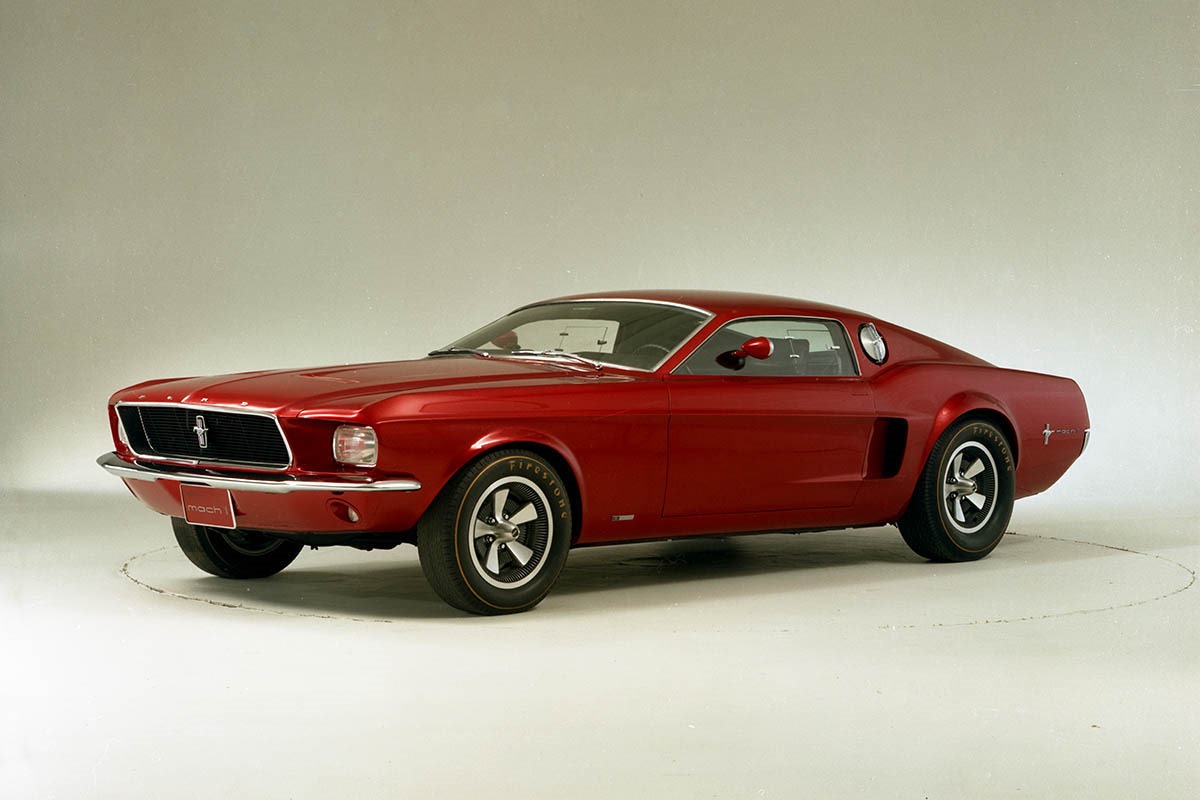
1966 Mach 1 Concept
1966-Mach-1-Concept-2%25255B6%25255D.jpg

Created as a preview of the 1968 model, the Mach 1 Concept originally had a nose that drew inspiration from the 1963 Mustang II concept. Later on, the Mach 1 grew a new face that was closer to production Mustangs of the time. Although the low-cut roofline and racing-type fuel cap never made it to production, the hatchback did arrive on the 1974 Mustang II.

1967 Mach 2 Concept
1967-Mach-2-Concept_thumb%25255B2%25255D.jpg

The Mach 2 concept featured a 289 cubic-inch (4.73-liter) Hi-Po V8 that was shifted from the front to behind the two seats to evaluate the layout as a possible successor to the Shelby Cobra. Despite its mid-engine layout, the Mach 2 retained the long-hood, short-deck proportions of a Mustang. Unfortunately, it remained a study.

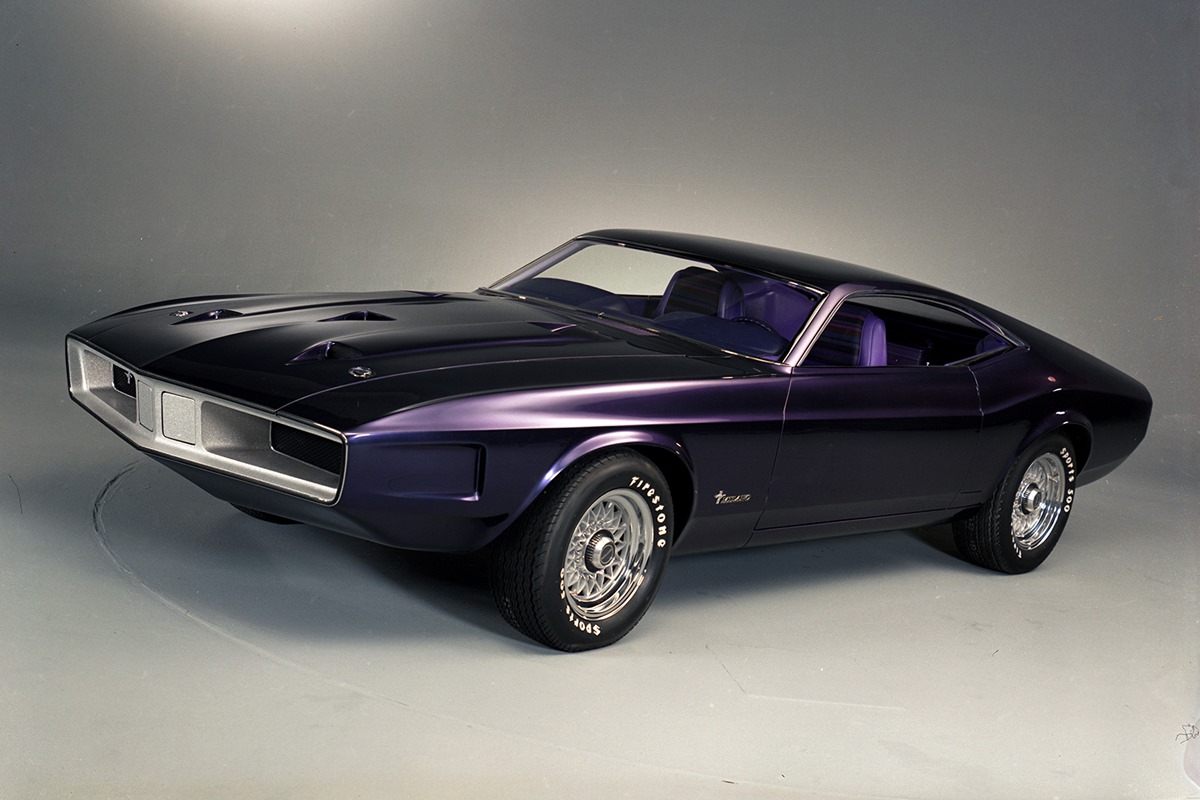
1970 Mustang Milano Concept
1970-Mustang-Milano-Concept-1%25255B4%25255D.jpg

Revealed at the 1970 Chicago Auto Show, the Mustang Milano study previewed the nearly horizontal rear deck and sharp, extended nose that would be adopted by the production 1971 model. However, the rest of the car didn’t really look like any production Mustang, but the Milano profile was adopted by the Australian-market Falcon XB coupe of the mid-1970s.

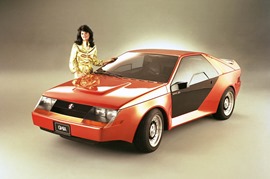
1980 Mustang RSX Concept
1980-Mustang-RSX-Concept_thumb%25255B2%25255D.jpg

Penned by the Italian Ghia design studio, the RSX was meant to be a rally special based on the new Fox-body third-generation Mustang that debuted for the 1979 model year. It had a one-inch-wider track and 5.6-inch-shorter wheelbase than the road-going Mustang, plus extra ride height to help it deal with the off-tarmac stages of European rallies.

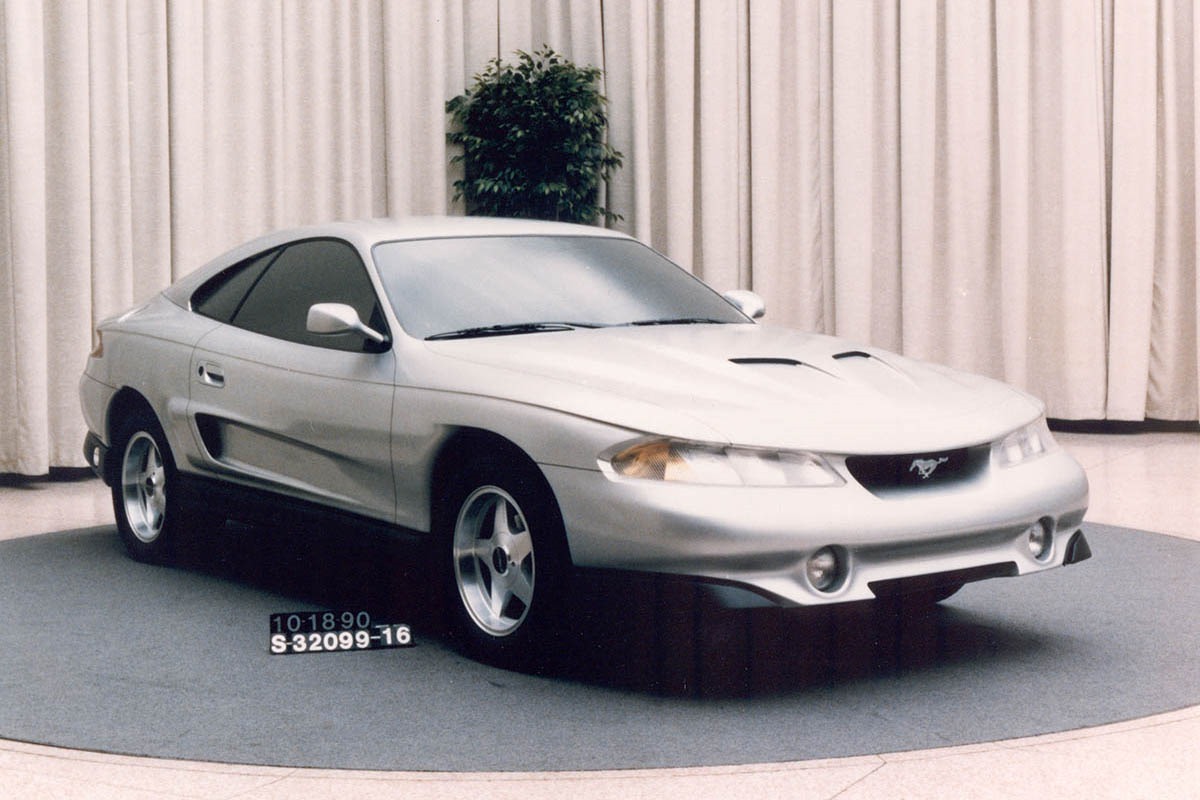
1990 “Bruce Jenner”, “Rambo” Design Studies
1990-Rambo-Study%25255B4%25255D.jpg

In 1990, Ford designers considered a number of themes for a replacement for the long-running third-generation Mustang, with the new generation to drop notchback and hatchback bodystyles for a fastback coupe format. This “Bruce Jenner” concept featuring elements like the galloping pony in the grille, side scoops and tri-bar taillamps, wasn’t considered aggressive enough to be a Mustang. On the other hand, the “Rambo” proposal was deemed too extreme for production.

1992 Mach III Concept
1992-Mach-III-Concept_thumb%25255B2%25255D.jpg

The Mach III study offered the first public hints of the new design direction for the fourth-generation Mustang. While the 1994 Mustang featured classic elements like the grille pony badge, side scoops and tri-bar taillamps, the two-seater layout and the low-cut speedster windshield have remained showcar elements.
 
[h=1]Ford EcoSport tem série limitada de estreia na Europa[/h]
Ford-EcoSport-Limited-Edition-03.jpg


A Ford inicia as vendas da EcoSport na Europa pelo Facebook com uma edição limitada de 500 unidades. A EcoSport Limited Edition vem com sistema Sync AppLink que permite o controle de aplicativos do telemóvel por comando de voz, jantes de alumínio de 17 polegadas, acabamento em couro e outros equipamentos. São oferecidos o motor EcoBoost de 1,0 litro a gasolina, de 125 cv, e o 1,5 turbodiesel de 91 cv. O pequeno SUV está disponível também nas versões Titanium e Titanium X, este com rodas de 17 pol e com o motor 1,5 a gasolina de 112 cv.

Ford-EcoSport-Limited-Edition-02.jpg


Ford-EcoSport-Limited-Edition-01.jpg


Ford-EcoSport-Limited-Edition-04.jpg
 
Não serão 15 mas 25, o nº de novos modelos ou modelos redesenhados a apresentar até 2015.
A Ford está apostar forte no mercado do velho continente.
Ford to launch 25 new or redesigned models in Europe - report

Ford Europa a lutar para ser lucrativa

Ford of Europe's head of product development, Barb Samardzich, has revealed the automaker will launch 25 new or refreshed models in Europe within five years.
Speaking to Automotive News, Samardzich said "It's the same exact strategy as in North America: to make sure that our portfolio was the best ever when the economy turned around."
There's no word on what we can expect - besides previously announced models like the next-generation Mustang, Edge and S-MAX - but Ford of Europe President Stephen Odell revealed the company has upped the number of models they will launch from 15 to 25.
Odell also reaffirmed Ford's commitment to make its European division profitable in 2015. This is absolutely critical as Ford of Europe is projected to lose $2 (€1.4) billion this year.

Source: Automotive News and Forbes
 
Notícias

Fiesta terá versão GPL e 1.0 Ecoboost com caixa PowerShift

segunda, 23 setembro 2013 21:17
Em novembro, o utilitário da Ford terá uma versão GPL e uma opção de caixa automática de dupla embraiagem na versão 1.0 Ecoboost de 100 cv.

A Ford conta ter em disponível a primeira unidade em Portugal do tricilíndrico Fiesta 1.0 EcoBoost com 100 cv e com caixa de dupla embraiagem PowerShift. A nova versão promete consumos de 4,9 l/100 km e emissões de CO2 de 114 g/km.


Ao Autohoje, a Ford confirmou ainda que, sensivelmente na mesma altura, será também lançada a versão GPL do Fiesta.

Mas quem é que escreveu isto? "A Ford conta ter em disponível..."

Portanto, do que consegui interpretar, estamos a falar de duas versões.

1ª - 1.0 ecoboost com powershift.
2ª - Fiesta GPL. Motorização não se sabe. Mas presumo eu que seja o de 80cv
 
Esse XR é um Kanhão!

ka-xr-2g.jpg


[TABLE="class: cms_table"]
[TR]
[TD]Desde seu lançamento, no Salão de Paris de 1996, havia quem reivindicasse um motor mais potente para o Ford Ka. À época a marca já dispunha, na Europa, do Zetec 1,25 16V de 75 cv -- da mesma família do 1,4 16V de 88 cv que aqui equipava o Fiesta. A Ford chegou a usar este último num Ka vendido no Japão, com câmbio automático Mazda, mas europeus e brasileiros continuaram aguardando.

ka-xr-4g.jpg


Nosso modelo 2000, como se sabe, abandonou os arcaicos motores Endura-E de 1,0 (53,5 cv) e 1,3 litro (60 cv) em favor do moderno Zetec Rocam 1,0 de 65 cv: ganho significativo, mas permaneceu a vontade de acelerar o carrinho, de excelente comportamento dinâmico, com a versão 1,6 de 95 cv do novo motor. A Ford finalmente atendeu às preces com o Ka XR, versão desportiva que chega às concessionárias no início de maio, trazendo novo alento ao modelo -- que a marca vinha desprezando ao concentrar esforços no Fiesta.


[TABLE="class: cms_table"]
[TR]
[TD]A sigla foi utilizada por anos nos Fords de melhor desempenho, como o Fiesta XR2, o Sierra XR4 e -- também no Brasil -- o Escort XR3. Além dos logotipos XR nas laterais e 1.6 na traseira, o XR é facilmente reconhecido pelas largas saias entre eixos, spoiler traseiro, jantes de 14 pol (de desenho similar às do cupê Puma) com pneus 185/60 e duas tomadas de ar ladeando a matricula no pára-choque dianteiro. Embora menos arrojado que o Sportka, o conjunto agrada, mas deveria haver um spoiler frontal.

ka-xr-logo2.jpg
ka-xr-painel2.jpg


Por dentro as formas se mantêm, mas com novos detalhes. O diminuto painel conseguiu acomodar à esquerda do velocímetro um pequeno conta-giros, com faixa vermelha que a Ford não usa em outros modelos (continua faltando o termômetro do motor). O volante tem revestimento perfurado na região de pega, conservando o desenho nada desportivo de dois raios baixos. Parte do painel e do pomo do câmbio têm cor prata e o revestimento é mais alegre, embora menos requintado que o do GL Image. Como na parte externa, nada realmente radical.


[TABLE="class: cms_table"]
[TR]
[TD]Alojar o motor maior e mais potente no cofre do Ka exigiu extensas modificações: longarinas do chassi apropriadas (por causa delas o motor não pode ser removido por cima), radiador com o dobro de aletas (o 1,6 gera mais calor que o 1,0), relações de velocidades reestudadas, escape todo novo, travões dianteiros a disco ventilado e suspensão mais firme, além de jantesodas e pneus mais largos (são 165/70 R 13 no Ka 1,0). O peso total do carro, porém, subiu apenas 19 kg em relação à versão GL Image, passando a 930 kg.

ka-xr-motor.jpg


[TABLE="class: cms_table"]
[TR]
[TD]Mas vamos ao que o leitor quer saber, que é como anda o XR. E como anda! Se no Fiesta os 95 cv de potência e os bem distribuídos 14,2 m.kgf de torque já permitem uma condução agradável, no Ka -- bem mais leve -- a desportividade é evidente já no primeiro contato. No autódromo de Interlagos, onde a Ford o apresentou à imprensa, o carrinho mostrou estimulante aceleração através das marchas, temperada pelo som mais encorpado do escape. Este, contudo, é bem audível a 100 km/h constantes e pode incomodar em longos percursos.


[TABLE="class: cms_table"]
[TR]
[TD]O tempo de 0 a 100 km/h -- 10,8 s, ganho sensível sobre os 15,4 s do motor menor -- não basta para exprimir a sensação de agilidade que o Zetec Rocam 1,6 trouxe ao pequeno Ka. Como o torque aparece a baixos regimes, o motorista acredita estar com um motor de cilindrada e potência ainda maiores. A velocidade máxima também melhorou muito, de 157 para 186 km/h (de acordo com o fabricante), sendo 7 km/h devidos à melhor aerodinâmica obtida com o spoiler traseiro. Os consumos aumentaram bem, mas não ficou excessivo: 11,4 km/l em cidade e 14,6 km/l em estrada, segundo a Ford.

ka-xr-3.jpg
ka-xr-1.jpg


O ligeiro aumento de peso na frente não prejudicou o notável comportamento dinâmico, que já divertia os entusiastas desde os tempos do Endura-E. Embora o percurso -- incoerentemente -- não incluísse o autódromo, o BCWS circulou por parte do circuito e pôde sentir melhor os limites do XR. Mesmo com as rodas tão próximas dos extremos da carroceria, ele é bastante previsível e fácil de conduzir rapidamente, não pregando surpresas no limite de aderência. Os travões redimensionados são mais que suficientes, embora já fosse hora de a Ford oferecer sistema antitravamento de série.


[TABLE="class: cms_table"]
[TR]
[TD]Por falar em equipamentos, o XR vem de série com direção assistida, jantes de alumínio, imobilizador, controles elétricos de vidros e travas, ar-condicionado e rádio/toca-CDs. Airbags e abertura interna do porta-malas são opicionais. Ajuste elétrico dos espelhos e regulagens de altura do banco e do volante não são disponíveis, e podem fazer falta para alguns.


[TABLE="class: cms_table"]
[TR]
[TD]O preço básico, de R$ 22.530, está pouco abaixo de outros concorrentes, como Gol 1,0 Turbo. Com os opcionais sobe para R$ 25.500. Se é verdade que a diferença entre os homens e os meninos é o preço de seus brinquedos, até que este divertimento de adultos não sai caro.


[TABLE="class: cms_table, width: 600"]
[TR]
[TD="width: 50%, align: center"][TABLE="class: cms_table, width: 100%"]
[TR]
[TD="bgcolor: #FF0000, align: center"]Ficha técnica[/TD]
[/TR]
[/TABLE]


[TABLE="class: cms_table, width: 100%"]
[TR]
[TD="width: 33%"]MOTOR - transversal, 4 cilindros em linha; comando no cabeçote, 2 válvulas por cilindro. Diâmetro e curso: 82,1 x 75,5 mm. Cilindrada: 1.598 cm3. Taxa de compressão: 9,5:1. Injeção multiponto seqüencial. Potência máxima: 95 cv a 5.500 rpm. Torque máximo: 14,2 m.kgf a 3.000 rpm.[/TD]
[/TR]
[TR]
[TD="width: 33%"]CAIXA - manual; 5 marchas; tração dianteira.[/TD]
[/TR]
[TR]
[TD="width: 33%"]TRAVÕES - dianteiros a disco ventilado; traseiros a tambor.[/TD]
[/TR]
[TR]
[TD="width: 33%"]DIREÇÃO - de pinhão e cremalheira; assistência hidráulica; diâmetro de giro, 10,3 m.[/TD]
[/TR]
[TR]
[TD="width: 33%"]SUSPENSÃO - dianteira, independente, McPherson, estabilizador; traseira, eixo de torção.[/TD]
[/TR]
[TR]
[TD="width: 33%"]JANTES - 5,5 x 14 pol.; pneus, 185/60 R 14 H.[/TD]
[/TR]
[TR]
[TD="width: 33%"]DIMENSÕES - comprimento, 3,624 m; largura, 1,631 m; altura, 1,368 m; entreeixos, 2,446 m; capacidade do tanque, 42 l; porta-malas, 186 l; peso, 930 kg.[/TD]
[/TR]
[/TABLE]


[/TD]
[/TR]
[TR]
[TD]
[TABLE="class: cms_table, width: 100%"]
[TR]
[TD="bgcolor: #FF0000, align: center"]Desempenho e consumo[/TD]
[/TR]
[/TABLE]


[TABLE="class: cms_table, width: 100%"]
[TR]
[TD="width: 50%"]DESEMPENHO - velocidade máxima, 186 km/h; aceleração de 0 a 100 km/h, 10,8 s.[/TD]
[TD="width: 50%"]CONSUMO - em cidade, 11,4 km/l; em estrada, 14,6 km/l.[/TD]
[/TR]
[/TABLE]

​
[/TD]
[/TR]
[/TABLE]

[/TD]
[/TR]
[/TABLE]

[/TD]
[/TR]
[/TABLE]

[/TD]
[/TR]
[/TABLE]

[/TD]
[/TR]
[/TABLE]

[/TD]
[/TR]
[/TABLE]

[/TD]
[/TR]
[/TABLE]

[/TD]
[/TR]
[/TABLE]

- See more at: http://forum.autohoje.com/forum-ger...revistas-antigas-62.html#sthash.ZGJxsTft.dpuf
 
O Mondeo me chama a atenção desde que era novo. Ainda me viro para ver o primeiro modelo e o segundo, de 97, mesmo com os problemas crônicos de pintura.

O sedan é elegante e a carrinha também é muito bonita. Só nunca percebi o liftback.

st200_pics_13.jpg

ford_mondeo_st200_large_21970.jpg

0277675-Ford-Mondeo-Wagon-2.5i-V6-ST200-1999.jpg

Na altura era o mais bonito do segmento para mim. Ele e o Chrysler/Dodge Stratus. Depois veio o Alfa 156..
 
Última edição:
Voltar
Superior