
Instale a aplicação
Como instalar a aplicação no iOS
Acompanhe o vídeo abaixo para ver como instalar o nosso website como uma aplicação web no seu ecrã inicial.
Nota: Esta funcionalidade pode não estar disponível em alguns navegadores.
Está a usar um navegador desatualizado. Pode não apresentar este ou outros sites corretamente.
Deve atualizar ou utilizar um browser alternativo.
Deve atualizar ou utilizar um browser alternativo.
Tópico Lancia
- Iniciador de tópicos Bravo2011
- Data de início


malmeidacosta
Membro
Já estou registado, forza Lancisti!!!

 ]
reckoner00
Membro participativo
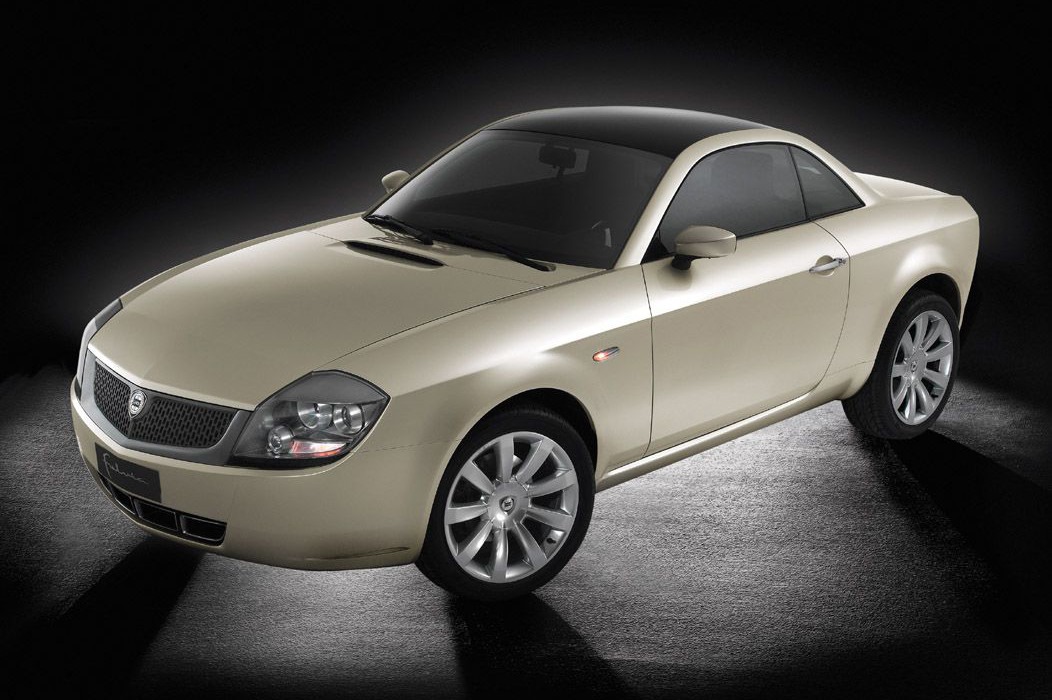
Could the 2003 Fulvia Coupe Concept Have Helped Revive Lancia?
Of all the car-making nations in the world, Italy has probably the richest tradition in manufacturing affordable coupes. Even in the 1990s and early 2000s, when the Fiat Group wasn’t in great financial shape, the affordable Italian coupe lived on through the Fiat Coupe and Alfa Romeo GTV.
Both were offering Italian style and decent performance for an affordable price, but during this time, Fiat’s other brand, Lancia, had no sports coupe in its lineup, (well, there was the Kappa Coupe, but it was nowhere near a sports car)
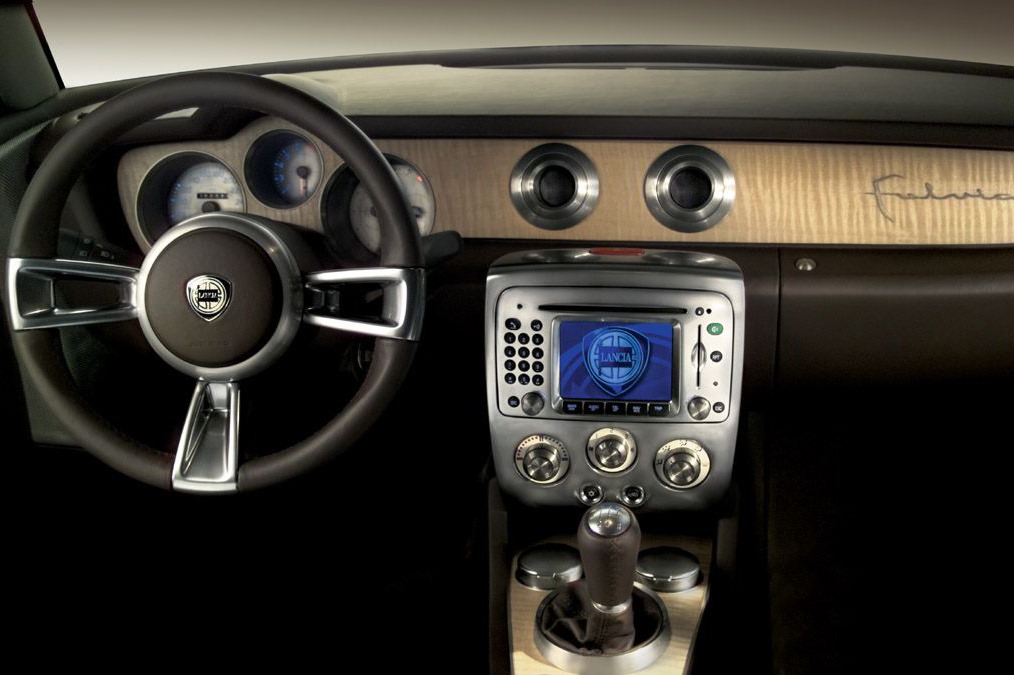
However, at the 2003 Frankfurt Auto Show, Lancia unveiled the Fulvia Coupe, a concept that sought to revive the nameplate that designated a very successful coupe built in 140,000 units between 1965 and 1976. The concept’s neo-retro styling followed closely the lines of the original Fulvia coupe, both outside and inside.
Even the dimensions and three-box shape of the Fulvia Coupe show car were identical to those of its predecessor, with the exception of the track, which had been broadened to give the car greater stability. The concept vehicle had a two-seat layout and a retro-styled dashboard.
However, the 2003 Fulvia Coupe was more than a styling exercise. The car looked very much like a pre-production prototype. Lancia engineers developed all the exterior parts to keep down drag, while also using lightweight parts. The front-wheel drive Fulvia Coupe Concept weighed only 990 kilograms (2,182 lbs), thanks to the use of aluminum for its body panels and the engine block.
Power came from a 4-cylinder 1.8-liter engine developing 103 bhp, with performance figures being decent: 0-100 km/h in 8.6 seconds and a top speed of 213 km/h (132 mph). Thanks to its low weight, the Fulvia Coupe boasted an excellent weight to power ratio of 7 kg/bhp. This helped to obtain an average fuel consumption of 7.3 liters/100 km (32 mpg US) over a combined cycle.
There were good premises for handling too, as the car had a McPherson front suspension layout with telescopic struts, coaxial coil springs and lower wishboness and a rear suspension with longitudinal arms and antiroll bar. No electronic aids were added, as Lancia wanted to keep the pure sporty drive of the original car.
So why didn’t the Fulvia make it to production? It was a combination of bad luck (Fiat’s financial situation) and the fact that it was based on an ageing Mk 2 Punto platform. Although in 2008 rumors circulated about a revival of the concept with a newer platform, unfortunately, nothing happened to this day. Which brings us to the inevitable question: would the Fulvia have changed Lancia’s fate had it been produced?


fnal
Membro participativo
Claro que sim... mas a verdadeira questão é: Será que se queria que a Lancia fosse/seja revitalizada ?
Ainda hoje estou convencido que não, a Lancia não faz parte dos planos da Fiat... Infelizmente...

HugoMJet
Membro participativo
Pois é, não faz mesmo parte das prioridades...e a última "união de facto" com a Chrysler demonstrou tudo, infelizmente! [s)]Claro que sim... mas a verdadeira questão é: Será que se queria que a Lancia fosse/seja revitalizada ?
Ainda hoje estou convencido que não, a Lancia não faz parte dos planos da Fiat... Infelizmente...
Talvez num futuro próximo, devido a uma eventual melhoria de vendas, face aos EUA e outros mercados, voltemos a ter a verdadeira Lancia com o luxo e requinte dos últimos anos! (sim, a componente desportiva foi enterrada e jamais ressuscitará - ficará para a Alfa Romeo!)


SuperNiili
Banido

O interior do Fulvia concept é delicioso.
Última edição:

Fahrenheit
Banido
"O charme Lância, será eterno"

Um Like por este menino aparecer no teu post!
Só lhe mudava uma coisa, era os FN em formato redondo, assim estão bem mas redondos fica mais "agressivo". [
 ]
A este carro só lhe faltou um GRANDE motor, género Fiat Punto GT. [
 ]
SuperNiili
Banido
E segurança passiva também era coisa que faltava.
Fahrenheit
Banido
E segurança passiva também era coisa que faltava.
A qual? Ao Y?

Frecciarossa23
Membro participativo
Mas pq porra n meteram este carro em produção!!! Uma vez descartado o barchetta, seguiam com este modelo em frente!!!
reckoner00
Membro participativo
SuperNiili
Banido
A qual? Ao Y?
Sim...
Mas pq porra n meteram este carro em produção!!! Uma vez descartado o barchetta, seguiam com este modelo em frente!!!
Porque podia revitalizar a imagem da marca e resultar em sucesso comercial!

dncerqueira
Membro ativo
Sim...
Porque podia revitalizar a imagem da marca e resultar em sucesso comercial!
Talvez porque o grupo FIAT estava com sérias dificuldades financeiras na altura.
Muitas vezes também não percebo a estratégia do grupo como por exemplo entre o Delta 2 e 3 passarem quase 10 anos, os casos do Alfa 159 o cliente que queira trocar de carro não tem alternativa a não ser ir para a concorrência.
Fahrenheit
Banido
Sim...
É melhor que grande parte dos Seg. B da segunda metade da decada de '90, já disponibilizava Duplo Airbag e ABS

gsenra
Membro ativo
Ainda por cima os estudos de clientes focam-se sempre em percentagem de compradores habituais da marca e compradores que vêm de outras marcas. Nos modelos de gama média alta dos Italianos são sempre clientes novos, perdem toda a faixa de clientes que gostando do carro que têm continuam na mesma marca...
O meu pai sempre comprou FIATs porque confiava na assistência, depois de um 128, um 131 e um Tempra, passou para um Passat, por falta de alternativas... ainda pensou no Alfa 156, mas "os Alfas dão muitos problemas" [8b] Pelo meio ainda comprou 2 Puntos para o agregado familiar []
O meu pai sempre comprou FIATs porque confiava na assistência, depois de um 128, um 131 e um Tempra, passou para um Passat, por falta de alternativas... ainda pensou no Alfa 156, mas "os Alfas dão muitos problemas" [8b] Pelo meio ainda comprou 2 Puntos para o agregado familiar [
]Talvez porque o grupo FIAT estava com sérias dificuldades financeiras na altura.
Muitas vezes também não percebo a estratégia do grupo como por exemplo entre o Delta 2 e 3 passarem quase 10 anos, os casos do Alfa 159 o cliente que queira trocar de carro não tem alternativa a não ser ir para a concorrência.

gtabarth
Membro histórico
Ainda por cima os estudos de clientes focam-se sempre em percentagem de compradores habituais da marca e compradores que vêm de outras marcas. Nos modelos de gama média alta dos Italianos são sempre clientes novos, perdem toda a faixa de clientes que gostando do carro que têm continuam na mesma marca...
O meu pai sempre comprou FIATs porque confiava na assistência, depois de um 128, um 131 e um Tempra, passou para um Passat, por falta de alternativas... ainda pensou no Alfa 156, mas "os Alfas dão muitos problemas" [8b] Pelo meio ainda comprou 2 Puntos para o agregado familiar [
Olha que não tendo escolhido o 156, passou ao lado de um excelente carro.
Ainda hoje, que fará no final dos anos 90 quando apareceu.
E para além do 156, havia o Lybra.
dncerqueira
Membro ativo
Olha que não tendo escolhido o 156, passou ao lado de um excelente carro.
Ainda hoje, que fará no final dos anos 90 quando apareceu.
E para além do 156, havia o Lybra.
Sim mas hoje em dia tem zero escolhas , carrinhas no grupo também não há.
A Alfa que é a aposta do grupo neste momento tem uma gama mais pequena que a Lancia .